


 425K+ Certified
 Fully accredited courses
 Call:
Call:  Updated: 14 Aug 2026
Health and Social Care
Specialist Training
Updated: 14 Aug 2026
Updated: 14 Aug 2026
 35587 People
 Recommended
 Duration
 Minimum 120 mins
 100% Online
 Course
 365 Days
 Access
 Instant Access and
 Certification
 Full
Full Voiceover
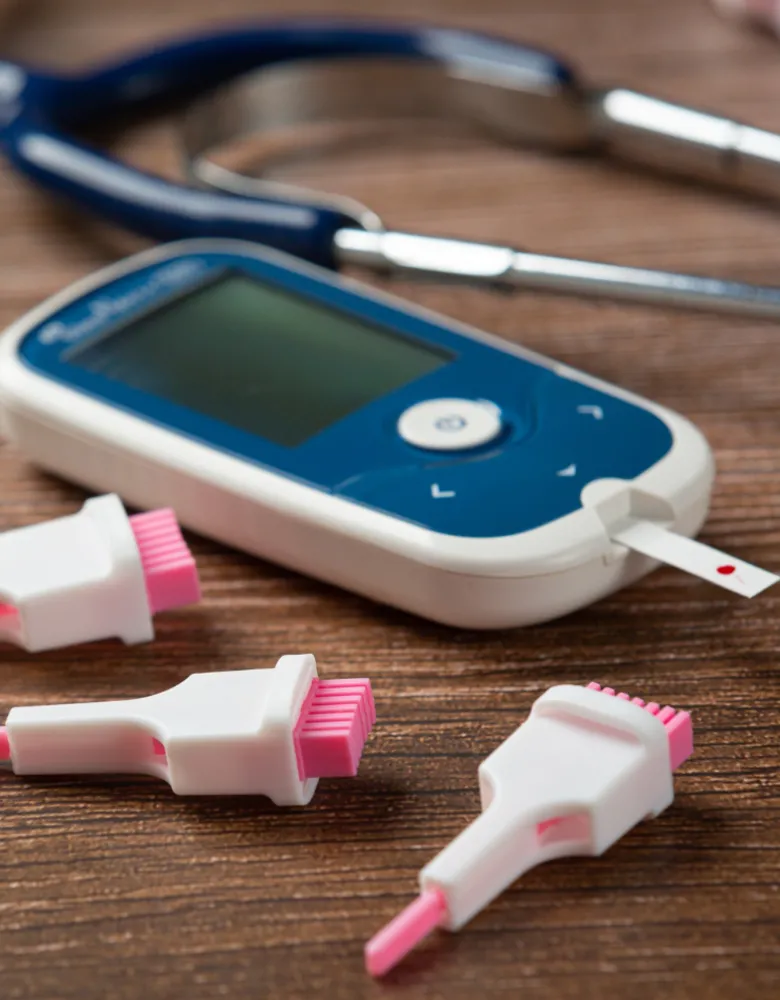
The Diabetes Awareness for Healthcare Professionals course offers an in-depth exploration of diabetes, equipping healthcare practitioners with the essential knowledge and competencies to manage this widespread chronic condition. Covering the pathophysiology, diagnostic criteria, therapeutic approaches, and patient education methods, it provides a holistic framework for effective diabetes management.
Participants will develop a thorough understanding of Type 1, Type 2, and gestational diabetes, while examining the most recent developments in pharmacological therapies, blood glucose monitoring systems, and lifestyle modification strategies. The course highlights the importance of patient-centred care, focusing on approaches to prevent complications, enhance self-management, and optimise long-term health outcomes.
Fully aligned with current UK clinical guidelines, the course aims to strengthen professional expertise, enabling healthcare providers to deliver safe, evidence-based, and effective diabetes care across diverse patient populations.

 £19.99 + VAT
Buy Now
Accreditations

Learning Outcomes.
By the end of this course,participants will be able:
To strengthen communication and educational skills that enable healthcare professionals to effectively teach patients about insulin use, glucose monitoring, symptom recognition, and the management of acute events such as hypoglycaemia and hyperglycaemia.
To implement evidence-based approaches for the monitoring and prevention of diabetes-related complications, including cardiovascular disease, nephropathy, neuropathy, and retinopathy, thereby reducing long-term morbidity and mortality.
To develop effective dietary and lifestyle modification plans that promote optimal glycaemic control and improved patient outcomes, with emphasis on the role of nutrition, physical activity, and behavioural change.
To examine the range of pharmacological treatments used in diabetes management, including insulin therapies, oral hypoglycaemic agents, and newer drug classes, understanding their mechanisms of action, clinical indications, and potential adverse effects.
To identify and apply the diagnostic criteria and screening tools for diabetes, accurately interpreting results to support timely diagnosis and early intervention.
To explain the fundamental pathophysiology of Type 1, Type 2, and gestational diabetes, recognising how the underlying mechanisms of each type influence individualised management strategies.
Course
Contents.
01
Introduction to Diabetes
Overview, risk factors, diagnosis, and pathophysiology of diabetes.
03
Pharmacological Management
Insulin therapies and oral hypoglycaemic agents tailored to patient needs.
05
Lifestyle Interventions
Nutrition, physical activity, and behavioural strategies for glycaemic control.
06
Managing Complications
Prevention, recognition, and management of diabetes-related complications.
02
Types of Diabetes
Characteristics and management of Type 1, Type 2, and gestational diabetes.
04
Blood Glucose Monitoring
Techniques, device types, and troubleshooting.
07
Patient Education
Effective communication strategies to support self-management and adherence.
This course equips healthcare professionals to deliver comprehensive, patient-centred diabetes management, addressing the complex nature of the condition. Through up-to-date guidance on diagnosis, treatment, and education, it supports adherence to UK best practice standards, promoting complication prevention and enhancing long-term outcomes for people living with diabetes.
 Summary