


 425K+ Certified
 Fully accredited courses
 Call:
Call:  Updated: 10 Aug 2026
Health and Social Care
Specialist Training
Updated: 10 Aug 2026
Updated: 10 Aug 2026
 26486 People
 Recommended
 Duration
 Minimum 180 mins
 100% Online
 Course
 365 Days
 Access
 Instant Access and
 Certification
 Full
Full Voiceover
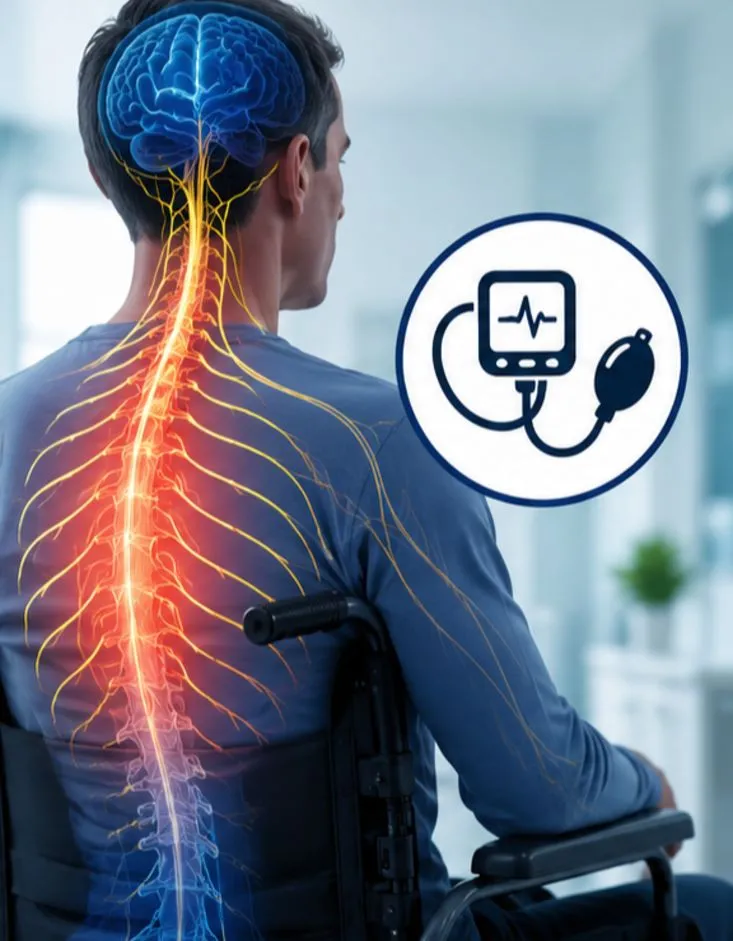
Autonomic Dysreflexia (AD) is a potentially life-threatening medical emergency that affects individuals with a spinal cord injury at or above the level of T6. It occurs when a noxious or painful stimulus below the level of injury triggers an excessive autonomic response, leading to a sudden and dangerous rise in blood pressure. Without prompt recognition and intervention, AD can result in complications such as stroke, seizure, or cardiac arrest. This course is designed to equip health and social care professionals with the knowledge and skills to recognise, prevent, and manage Autonomic Dysreflexia safely and effectively.
 £24.99 + VAT
Buy Now
Accreditations


Learning Outcomes.
By the end of this course,participants will be able:
Demonstrate effective multidisciplinary communication, documentation, incident reporting and post-episode review to support safe, person-centred care.
Outline the immediate management of AD, including blood pressure monitoring, trigger removal, escalation and treatment according to local protocols.
Apply appropriate prevention strategies through risk assessment, personalised care planning, monitoring and education.
Recognise the key signs, symptoms and common triggers of AD, including bladder, bowel, skin and environmental causes.
Describe AD, its underlying mechanisms, clinical significance and potentially serious complications.
Explain how spinal cord injury, particularly at or above T6, affects autonomic function and increases the risk of Autonomic Dysreflexia (AD).
Course
Contents.
01
Understanding the Spinal Cord and Autonomic Nervous System
Explores spinal cord structure, neurological function and autonomic pathways essential for understanding how spinal cord injury can disrupt cardiovascular and autonomic regulation.
03
Causes, Triggers and People at Risk
Identifies individuals at greatest risk of autonomic dysreflexia and explores common bladder, bowel, skin and other potentially triggering stimuli.
05
Recognising Signs and Symptoms
Covers characteristic clinical features, including hypertension, headache, sweating, flushing, altered heart rate and other warning signs requiring prompt recognition.
08
Communication, Documentation and Multidisciplinary Working
Explores effective communication during emergencies, accurate documentation, role allocation, multidisciplinary collaboration, incident reporting and appropriate follow-up following an episode.
06
Immediate Assessment and Acute Management
Describes immediate actions, blood pressure monitoring, positioning, systematic assessment and identification and removal of potential triggers during suspected autonomic dysreflexia.
09
Preventing Autonomic Dysreflexia
Examines proactive prevention through personalised care planning, routine monitoring, skin care, equipment checks and recognition of individual triggers and early warning signs.
02
Spinal Cord Injury and Autonomic Dysreflexia
Introduces spinal cord injury, the significance of lesions at or above T6, and the definition and fundamental principles of autonomic dysreflexia.
04
Pathophysiology of Autonomic Dysreflexia
Explains how stimuli below the level of spinal injury can produce uncontrolled sympathetic activity, vasoconstriction and potentially dangerous increases in blood pressure.
07
Emergency Escalation and Treatment
Covers emergency pathways, escalation of care, indications for urgent medical assistance and the appropriate use of prescribed antihypertensive medicines under local protocols.
10
Bladder, Bowel and Long-Term Care Management
Covers effective bladder and bowel routines, ongoing monitoring, record-keeping and person-centred strategies for reducing recurrent autonomic dysreflexia and supporting safe care.
Autonomic Dysreflexia (AD) is a potentially life-threatening medical emergency that affects individuals with a spinal cord injury at or above the level of T6. It occurs when a noxious or painful stimulus below the level of injury triggers an excessive autonomic response, leading to a sudden and dangerous rise in blood pressure.
 Summary