


 425K+ Certified
 Fully accredited courses
 Call:
Call:  Updated: 03 Aug 2026
Health and Social Care
Medication Training
Updated: 03 Aug 2026
Updated: 03 Aug 2026
 42812 People
 Recommended
 Duration
 Minimum 120 mins
 100% Online
 Course
 365 Days
 Access
 Instant Access and
 Certification
 Full
Full Voiceover
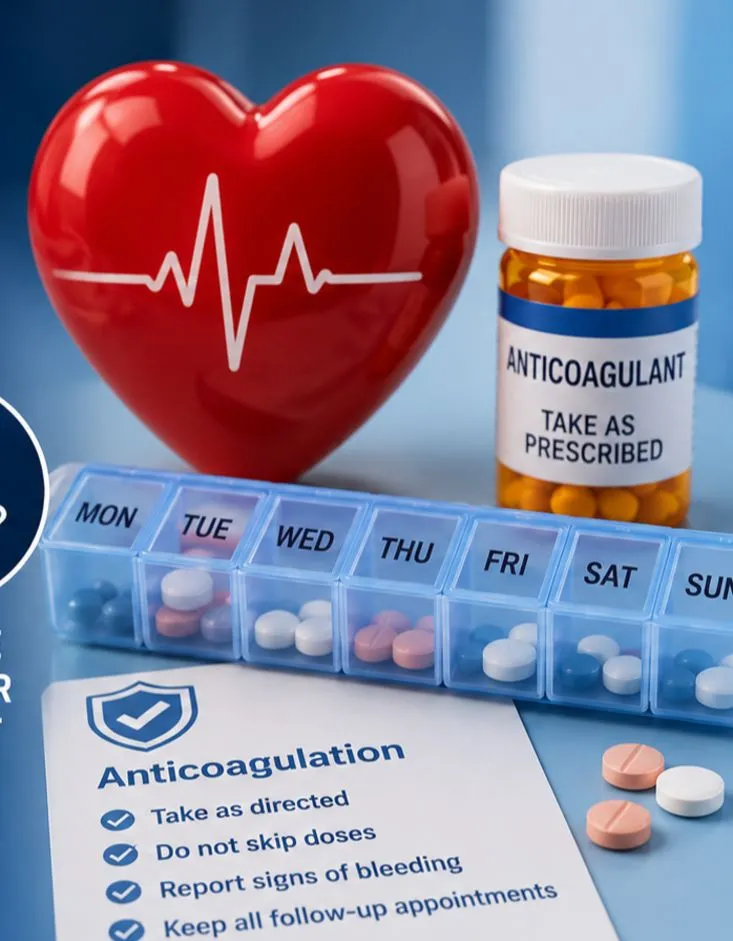
Anticoagulation therapy is a cornerstone in the prevention and management of thromboembolic conditions, including Deep Vein Thrombosis (DVT), Pulmonary Embolism (PE), and Atrial Fibrillation (AF). The Anticoagulation Awareness course is tailored for healthcare professionals seeking to enhance their understanding and competency in the safe use of anticoagulant medications.
This course offers a comprehensive overview of anticoagulant pharmacology, encompassing traditional agents such as warfarin and heparin, as well as newer direct oral anticoagulants (DOACs). Participants will explore clinical indications, dosing protocols, and monitoring requirements. The course also addresses key challenges, such as managing bleeding complications, applying reversal strategies, and tailoring therapy for patients with comorbidities or complex medical needs.
Aligned with the latest UK guidelines, this course emphasises patient education and collaboration, equipping participants to counsel patients on medication adherence, lifestyle modifications, and the importance of regular monitoring. By completing this course, healthcare professionals will be better prepared to deliver high-quality, patient-centred anticoagulation care.

 £29.99 + VAT
Buy Now
Accreditations

Learning Outcomes.
By the end of this course,participants will be able:
To understand the mechanisms of action and therapeutic indications of anticoagulant medications.
To identify and manage the risks and complications associated with anticoagulation therapy, including bleeding events.
To apply UK guidelines for the safe prescribing, monitoring, and adjustment of anticoagulation regimens.
To educate patients on the importance of adherence, lifestyle adjustments, and monitoring for optimal outcomes.
To develop strategies for perioperative anticoagulation management and individualised care for high-risk populations.
To evaluate patient-specific factors, such as comorbidities and drug interactions, to make informed clinical decisions.
Course
Contents.
01
Introduction to Anticoagulation Therapy
Gain an understanding of the principles of anticoagulation, the normal blood clotting process, and why anticoagulant medicines play a vital role in preventing and treating thromboembolic disorders.
03
Pharmacology of Anticoagulants
Examine the different classes of anticoagulants, including warfarin, heparins, fondaparinux, and direct oral anticoagulants (DOACs), together with their mechanisms of action, pharmacokinetics, pharmacodynamics, and key differences in clinical use.
05
Monitoring Anticoagulation Therapy
Understand the importance of monitoring anticoagulant therapy through INR testing, renal and hepatic function assessment, laboratory investigations, and ongoing clinical evaluation to ensure safe and effective treatment.
08
Reversal of Anticoagulation
Explore current reversal agents and evidence-based protocols used to reverse anticoagulant effects in emergency situations, major bleeding events, and urgent surgical procedures.
06
Drug Interactions and Optimising Therapy
Identify common drug, food, and herbal interactions that affect anticoagulant therapy and develop strategies to manage these interactions while maintaining therapeutic anticoagulation and reducing adverse events.
09
Patient Education and Self-Management
Develop effective communication and counselling skills to support patients in understanding their treatment, improving adherence, recognising warning signs of complications, and safely managing anticoagulation therapy in everyday life.
02
The Coagulation System and Clinical Indications
Explore how the coagulation cascade functions, the body's mechanisms for maintaining haemostasis, and the clinical conditions that require anticoagulation therapy, including atrial fibrillation, venous thromboembolism, prosthetic heart valves, and other high-risk conditions.
04
Safe Prescribing and Dosing of Anticoagulants
Learn the principles of selecting appropriate anticoagulants, calculating doses, considering patient-specific factors, and applying evidence-based prescribing practices to maximise therapeutic effectiveness while minimising risks.
07
Prevention and Management of Anticoagulation Complications
Recognise bleeding risks and other complications associated with anticoagulants, perform structured risk assessments, and implement appropriate management strategies, including emergency interventions when required.
10
Special Considerations in Anticoagulation Therapy
Examine the management of anticoagulation in special clinical situations, including perioperative care, pregnancy, older adults, renal impairment, liver disease, obesity, cancer-associated thrombosis, and other patient groups requiring individualised treatment approaches.
This course equips healthcare professionals with the knowledge and skills to manage anticoagulant therapies safely and effectively. By emphasising patient-centred care, risk management, and adherence to UK guidelines, participants will enhance their ability to optimise outcomes, minimise risks, and educate patients on the complexities of anticoagulation therapy.
 Summary